
A Critical Analysis of the Mamata Banerjee Government (2011–2026)
Verified Editorial
Source: BharathPulse Exclusive

⚡ Key Takeaways
- A detailed examination of the key failures, controversies, and governance shortcomings of the Mamata Banerjee government—from serial corruption scandals to law and order crises—that contributed to TMC's defeat in the 2026 West Bengal elections.
West Bengal, once the intellectual and economic capital of British India, has experienced a complex and often turbulent political journey. Since 2011, when Mamata Banerjee and her Trinamool Congress (TMC) swept to power ending 34 years of Left Front rule, the state has witnessed a governance model that promised Pariborton (change) but delivered controversies that have become defining chapters in the state's recent history.
This report critically examines the key failures, controversies, and governance shortcomings of the Mamata Banerjee government — failures that ultimately contributed to TMC's defeat in the 2026 West Bengal Assembly elections, ending 15 years of TMC rule.
1. A Culture of Serial Corruption

The Saradha Chit Fund Scam: One of the earliest and most damaging blows to the TMC government came with the collapse of the Saradha Group — a massive Ponzi scheme that defrauded hundreds of thousands of ordinary investors of their life savings.
The School Service Commission (SSC) Recruitment Scam: Arguably the most politically devastating corruption scandal of the TMC era, the SSC scam shook the foundations of public trust in the state's education system. Then-Education Minister Partha Chatterjee was arrested by the Enforcement Directorate in July 2022. Cash and gold worth over ₹50 crore were recovered from properties linked to his associates. In a landmark 2024 judgment, the Calcutta High Court cancelled nearly 26,000 appointments.
The Coal and Cattle Smuggling Rackets: CBI and ED investigations revealed multi-crore criminal networks involving illegal coal extraction from Eastern Coalfields Ltd mines and systematic cross-border cattle smuggling to Bangladesh.
The Ration Scam: Minister Jyotipriya Mallick was arrested in connection with an alleged ₹10,000-crore scam involving the diversion of subsidised food grains meant for PDS beneficiaries.
2. Law and Order: A State Under Strain
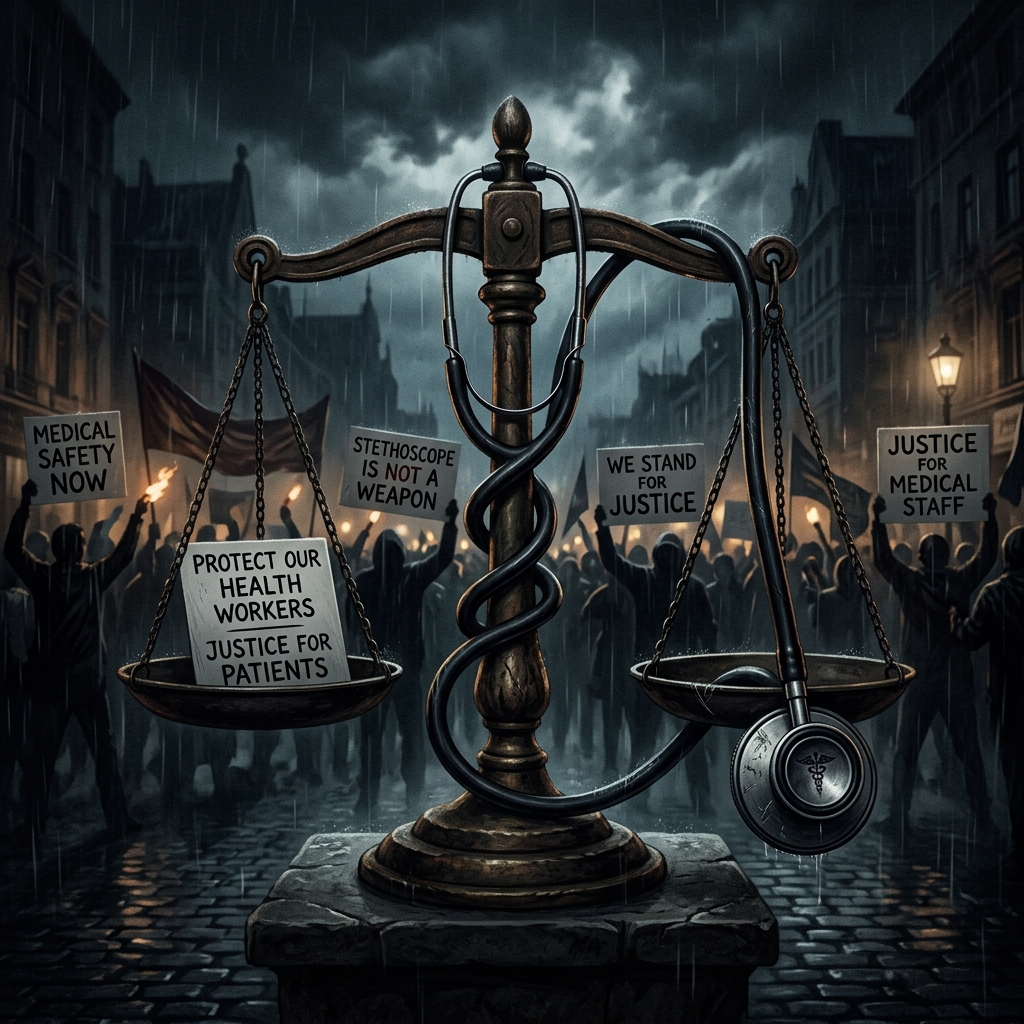
The RG Kar Rape and Murder Case (August 2024): On 9 August 2024, the body of a postgraduate trainee doctor at RG Kar Medical College in Kolkata was found in a seminar hall. The West Bengal government faced severe criticism for an alleged cover-up. Protests raged for weeks, with voices from across the political spectrum demanding Banerjee's resignation.
The Sandeshkhali Sexual Abuse Case (2024): Before the 2024 Lok Sabha elections, the mass sexual abuse of women in Sandeshkhali at the hands of TMC-linked strongman Shahjahan Sheikh exploded into a major political crisis.
The Post-Poll Violence of 2021: Immediately following TMC's victory in the 2021 Assembly elections, widespread political violence erupted across the state. At least 12 people were killed. West Bengal Governor Jagdeep Dhankhar publicly condemned the "collapse of law and order," calling the violence "state-driven."
3. Economic Governance: A Mixed and Troubled Record
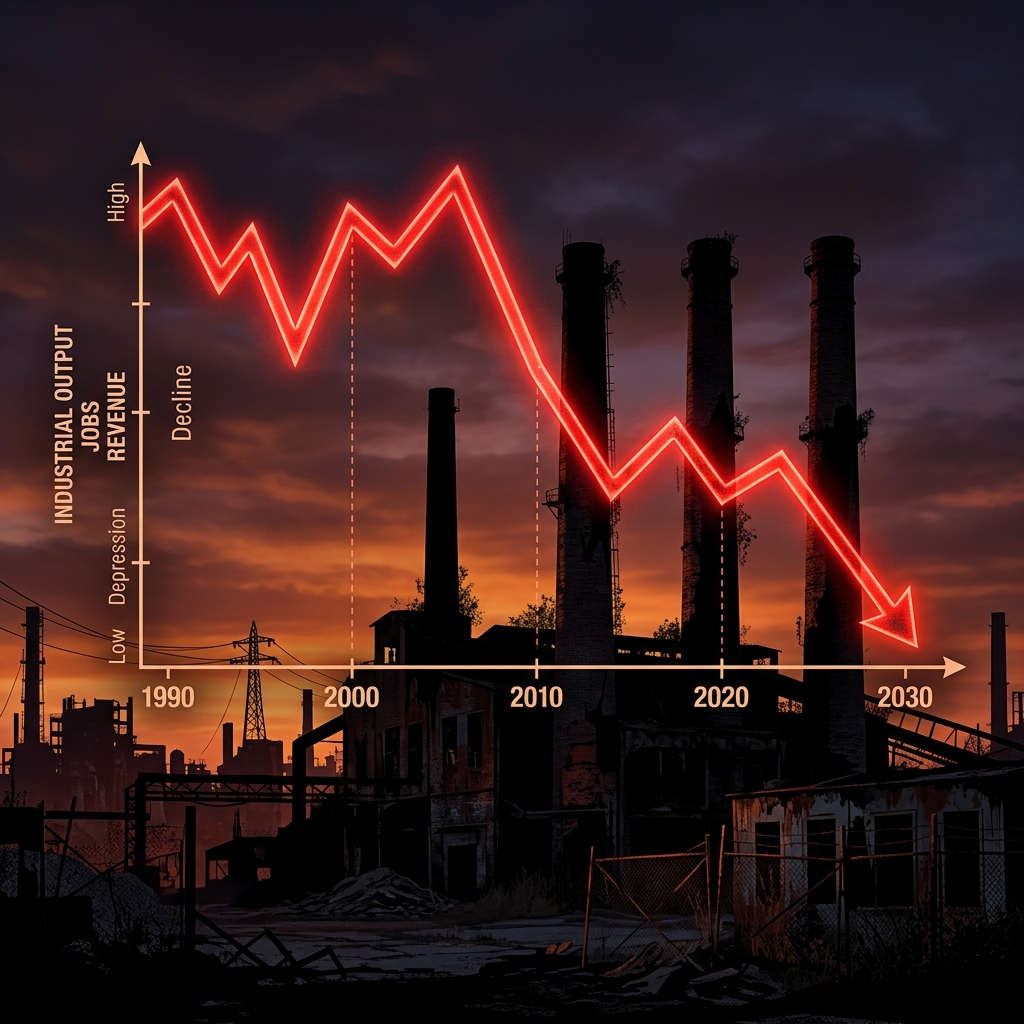
West Bengal was once a powerhouse, contributing 10.5% of India's GDP in 1960-61. By 2023-24, its share had dwindled to just 5.6%. The state's per capita income declined to 83.7% of the national average by 2023-24 — now lower than traditionally slower-growth states like Rajasthan and Odisha. Labour migration continued to be a persistent and politically sensitive problem.
4. Democratic Concerns and Institutional Misuse
The Syndicate System: A uniquely damaging feature of TMC's rule was the emergence of the "syndicate" system — local musclemen and TMC operatives who controlled construction contracts, sand and stone mining, and business permissions. Citizens and small businesses routinely had to pay extortion money to these syndicates.
Conclusion
Mamata Banerjee's government came to power in 2011 with enormous public goodwill. Fifteen years later, that mandate lay exhausted, buried under the weight of serial corruption scandals, a law and order crisis that claimed lives and violated women's safety, economic underperformance relative to the state's historic potential, and a style of governance that critics described as increasingly authoritarian and syndicate-driven.